
Development Trends in India That Will Dominate 2026
The web application development landscape is rapidly evolving — especially in India, a global hub for digital innovation. As businesses shift deeper into digital transformation, understanding the key web application development trends that will dominate 2026 is essential for staying ahead of the competition.
At Saltocorp, we closely track emerging technologies and development patterns to deliver future-ready web solutions that help businesses scale, innovate, and lead markets.
1. Progressive Web Apps (PWAs) Will Become Mainstream
Progressive Web Apps (PWAs) blend the best of web and mobile apps, offering:
- Fast load times
- Offline capabilities
- App-like experiences without installation
In 2026, PWAs will be widely adopted across industries in India — from e-commerce and fintech to education and healthcare — due to their low cost and high engagement levels.
2. AI & Machine Learning Integration in Web Apps
Artificial Intelligence (AI) and Machine Learning (ML) will continue shaping the future of web applications. Indian developers are increasingly integrating AI/ML for:
- Personalized user experiences
- Chatbots and virtual assistants
- Predictive analytics
- Automated workflows
Expect more businesses to leverage AI-powered features to improve user engagement and operational efficiency.
3. API-First Development for Modular Web Platforms
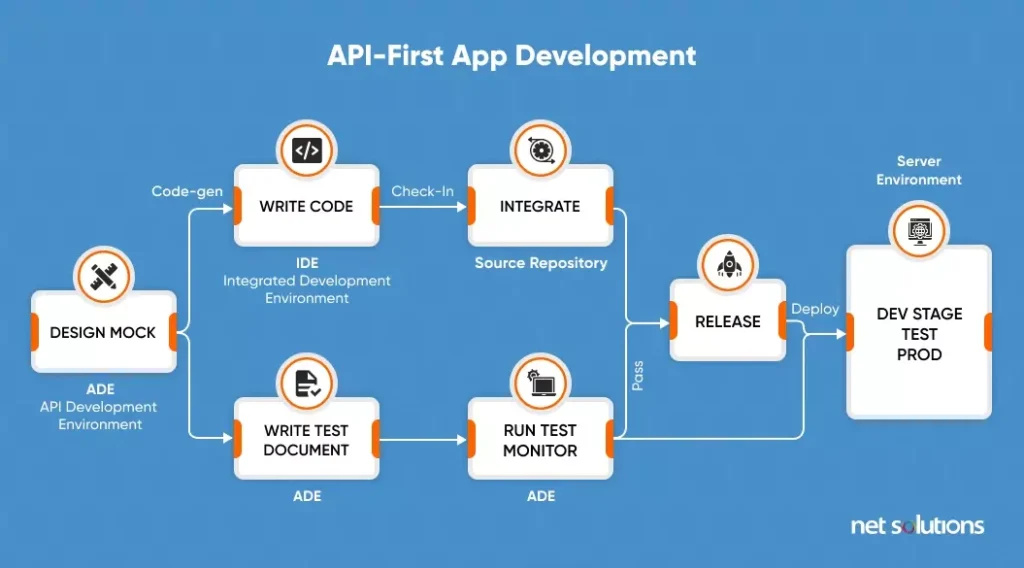
API-first development enables web applications to be more flexible, scalable, and easily integrable with other systems, including mobile apps and third-party services. This trend will dominate:
- Microservices architecture
- Headless commerce platforms
- Cross-platform integrations
API-first architectures will help Indian companies deliver seamless digital experiences faster and more efficiently
4. Cloud-Native Web Applications & Serverless Computing
Cloud adoption continues to accelerate in India. Cloud-native architectures and serverless platforms will:
- Reduce infrastructure costs
- Improve scalability
- Simplify deployments
Platforms like AWS, Azure, and Google Cloud will be preferred for building resilient, secure, and scalable web applications.
5. Low-Code / No-Code Platforms for Rapid Development
70% of new apps use low-code platforms like Bubble or OutSystems, accelerating MVPs 5x. Indian startups love this for agility; Saltocorp hybrids it with custom code for scalable enterprise transitions.
Low-code and no-code development tools will empower business users and developers to build web applications faster, reduce time-to-market, and support iterative innovation. This trend will be particularly valuable for startups and SMEs looking to innovate without heavy technical resources.
6. Web Application Security Will Be a Higher Priority
With increasing cyber threats, security can no longer be an afterthought. In 2026, Indian developers will continue to implement:
- Zero-trust security architectures
- Enhanced encryption standards
- Real-time threat detection tools
- Secure API strategies
Security will be integrated from design to deployment in successful web apps.
7. Immersive Experiences with AR/VR Web Integration
Web applications will increasingly support augmented reality (AR) and virtual reality (VR) features. This includes
- Virtual product previews
- 3D user interfaces
- Interactive educational tools
AR/VR will reshape how users engage with web applications in sectors like real estate, retail, and education.
8. Real-Time Data & WebSockets for Seamless Interaction
Real-time web applications — powered by WebSockets, server-sent events, and streaming APIs — will become essential for applications such as:
- Live dashboards
- Chat platforms
- Collaborative tools
This trend will significantly improve responsiveness and user experience.
9. Headless & Composable Architecture as the Default
The era of rigid, monolithic platforms is officially over. Indian enterprises are rapidly adopting Headless CMS and Composable Commerce.
- The Benefit: By separating the frontend (what users see) from the backend (the data), businesses can push content to websites, mobile apps, smart watches, and even IoT devices simultaneously.
- Agility: This modular approach allows Saltocorp to update your frontend design without touching the complex backend logic, reducing “downtime” to zero.
10. DevSecOps: Security is No Longer an “Afterthought”
With the rise of automated cyber threats, Indian web development has shifted to a “Security-First” mindset.
- Zero-Trust Architecture: Modern Indian web apps are built on Zero-Trust models, where every request is verified, even if it comes from within the network.
- Cyber threats rise; zero-trust models, OAuth 3.0, and AI anomaly detection become standard. “Green coding” optimizes energy use amid India’s data center boom. Saltocorp’s SOC 2 apps include carbon-footprint tracking.
- Automated Audits: Leading companies now integrate AI-driven security scanning directly into their CI/CD pipelines, catching vulnerabilities while the code is being written, not after launch.
Core Web Vitals and Speed-First Design
Google’s metrics—LCP <2.5s, FID <100ms—dictate rankings. Tools like Lighthouse ensure compliance. Saltocorp prioritizes vitals, improving SEO scores 25% for clients.
Trends Comparison Table
| Trend | Key Benefit | Saltocorp Example Impact |
|---|---|---|
| AI Personalization | +35% Conversions | E-com recommendation engine |
| PWAs | Offline Access | 40% Lower Bounce Rates |
| Headless/Jamstack | 70% Faster Loads | 1M User Scale |
| Serverless | 40% Cost Savings | Real-time Dashboards |
| Low-Code | 5x MVP Speed | Startup Prototypes |
Motion UI and Micro-Interactions
In 2026, a static web page will be viewed as “broken.” The Indian market, influenced heavily by social media aesthetics (Instagram/Reels culture), expects fluidity.
Motion UI involves using sophisticated animations and transitions to guide the user’s eye and improve the user experience. It’s not just about looking cool; it’s about visual storytelling. Expect hover effects, scrolling animations, and micro-interactions to become vital for user retention.
Core Web Vitals and Speed-First Design
Google’s metrics—LCP <2.5s, FID <100ms—dictate rankings. Tools like Lighthouse ensure compliance. Saltocorp prioritizes vitals, improving SEO scores 25% for clients.
FAQ Section❓
FAQ 1: What are the top web application development trends in India for 2026?
Key trends include Progressive Web Apps, AI-powered features, cloud-native development, API-first architecture, enhanced security, and real-time data processing.
FAQ 2: Why is India leading in web application development?
India offers a skilled developer workforce, cost-effective solutions, expertise in modern technologies, and strong experience serving global businesses.
FAQ 3: How can businesses prepare for future web development trends?
Businesses should adopt scalable architectures, focus on UI/UX, integrate AI where possible, and partner with a future-ready web application development company like Saltocorp.
FAQ 4: Are cloud-native web applications important for 2026?
Yes. Cloud-native applications improve scalability, performance, security, and cost efficiency, making them essential for modern digital products
FAQ 5: How will AI impact web application development in 2026?
AI will enhance personalization, automate customer support through chatbots, improve data-driven decision-making, and enable predictive analytics in modern web applications.
FAQ 6: What role does cloud computing play in modern web applications?
Cloud computing allows web applications to scale easily, reduce infrastructure costs, improve security, and ensure high availability using platforms like AWS, Azure, and Google Cloud.
FAQ 7: Why is web application security critical in 2026?
With increasing cyber threats, security ensures data protection, regulatory compliance, and user trust. Secure coding practices and regular updates are essential for long-term success.
FAQ 8: Is now the right time to upgrade existing web applications?
Yes. Upgrading legacy applications helps improve performance, security, and scalability while aligning with modern web development trends.
FAQ 9: Why are Progressive Web Apps becoming popular in India?
PWAs offer fast performance, offline access, and app-like user experiences without requiring installation. They are cost-effective and ideal for reaching a wide audience across devices.
FAQ 10: Are low-code and no-code platforms replacing developers?
No. Low-code and no-code platforms help speed up development but still require skilled developers for customization, security, scalability, and complex business logic.